A tree can look healthy from the street and still be creating a serious problem on the property. In Atlanta, fast growth, storms, saturated soil, and long hot summers all put stress on trees in different ways. Property owners often wait too long because they assume a risky tree will “look obviously bad” before it becomes dangerous. In reality, many removal jobs start because the warning signs were subtle at first and then suddenly became urgent.
One of the clearest signs is a large amount of dead wood in the canopy. A few small dead twigs are common, but heavy dead branching, repeated limb drop, or a canopy that is thinning unevenly can point to bigger decline. If the dead sections are large enough to fall on a roof, driveway, or walkway, the issue stops being cosmetic and becomes a safety decision.
Another warning sign is a noticeable lean that seems to be getting worse. Some trees naturally grow at an angle, so lean alone is not always an emergency. The problem is when the lean is new, when soil around the base is lifting, or when roots look exposed after a storm. Those conditions can suggest movement in the root plate, which means the tree may not be stable under future wind load.
Trunk damage also matters. Deep cracks, cavities, visible decay, or major splits where stems join together can all reduce structural reliability. In Atlanta neighborhoods where trees often stand close to homes, fences, and parked vehicles, a compromised trunk usually deserves a serious removal conversation instead of endless delay.
Property conflict is another common reason. Trees that are crowding the roof, scraping shingles, hanging over power service lines, or pressing into access areas can create ongoing costs. Sometimes tree trimming helps. Other times the tree’s size, position, or condition makes removal the better long-term answer. A practical estimate should help clarify that difference instead of selling the biggest job automatically.
Storm history counts too. If a tree has already lost major limbs, twisted heavily in the wind, or dropped sections after repeated weather events, it may be telling you it cannot handle the site conditions well anymore. Atlanta storms do not need to topple a whole tree to create expensive damage. Even a single failure over the wrong target can be enough.
Pay attention to the ground around the base as well. Mushrooms, unusual soft spots, major root cuts from old construction, or constant saturation can all affect stability. These signs do not prove failure by themselves, but they raise the risk level and justify an informed site review.
The good news is that you do not need to wait until a tree becomes a midnight emergency. If something looks off, get a professional estimate and ask direct questions: Is this a trimming issue, a monitoring issue, or a removal issue? What is creating the risk? What would happen if the tree stayed in place through the next storm cycle?
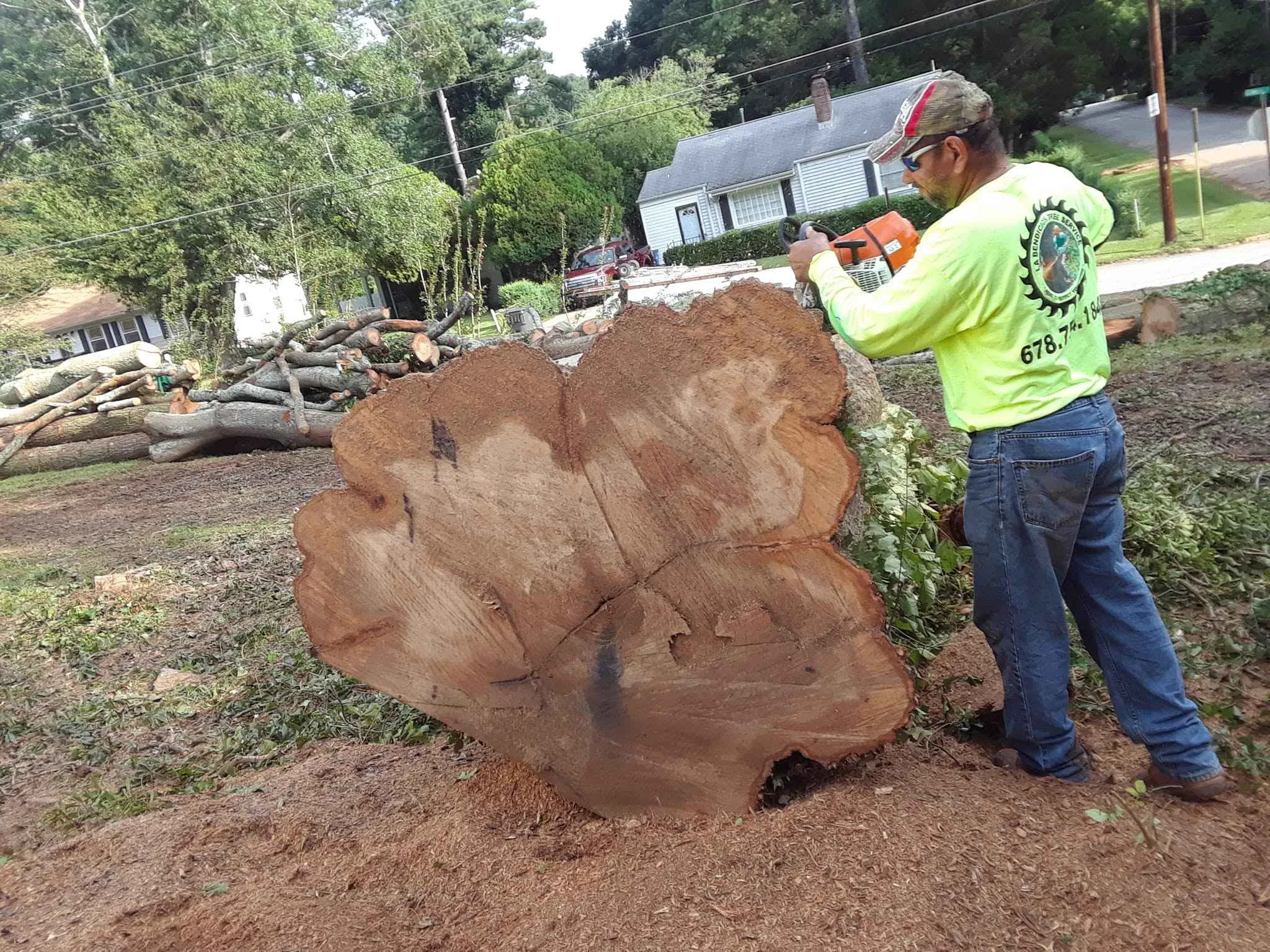
La Bendicion Duarte Tree Service provides tree removal in Atlanta, GA along with related tree trimming and stump grinding support. If you are seeing dead limbs, lean, trunk damage, or storm-related movement, it is better to evaluate the tree early than to wait until the hazard decides the schedule for you.